


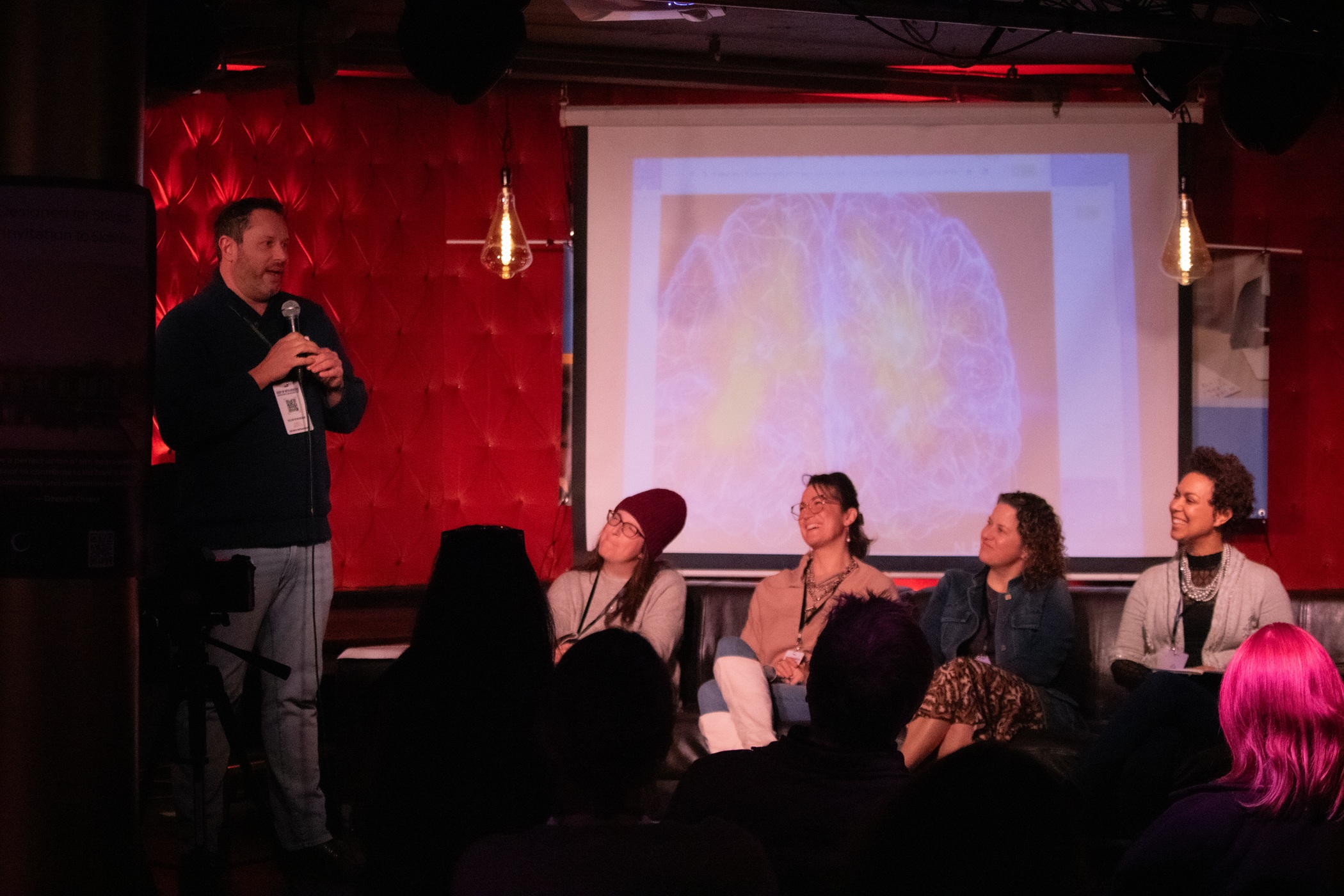
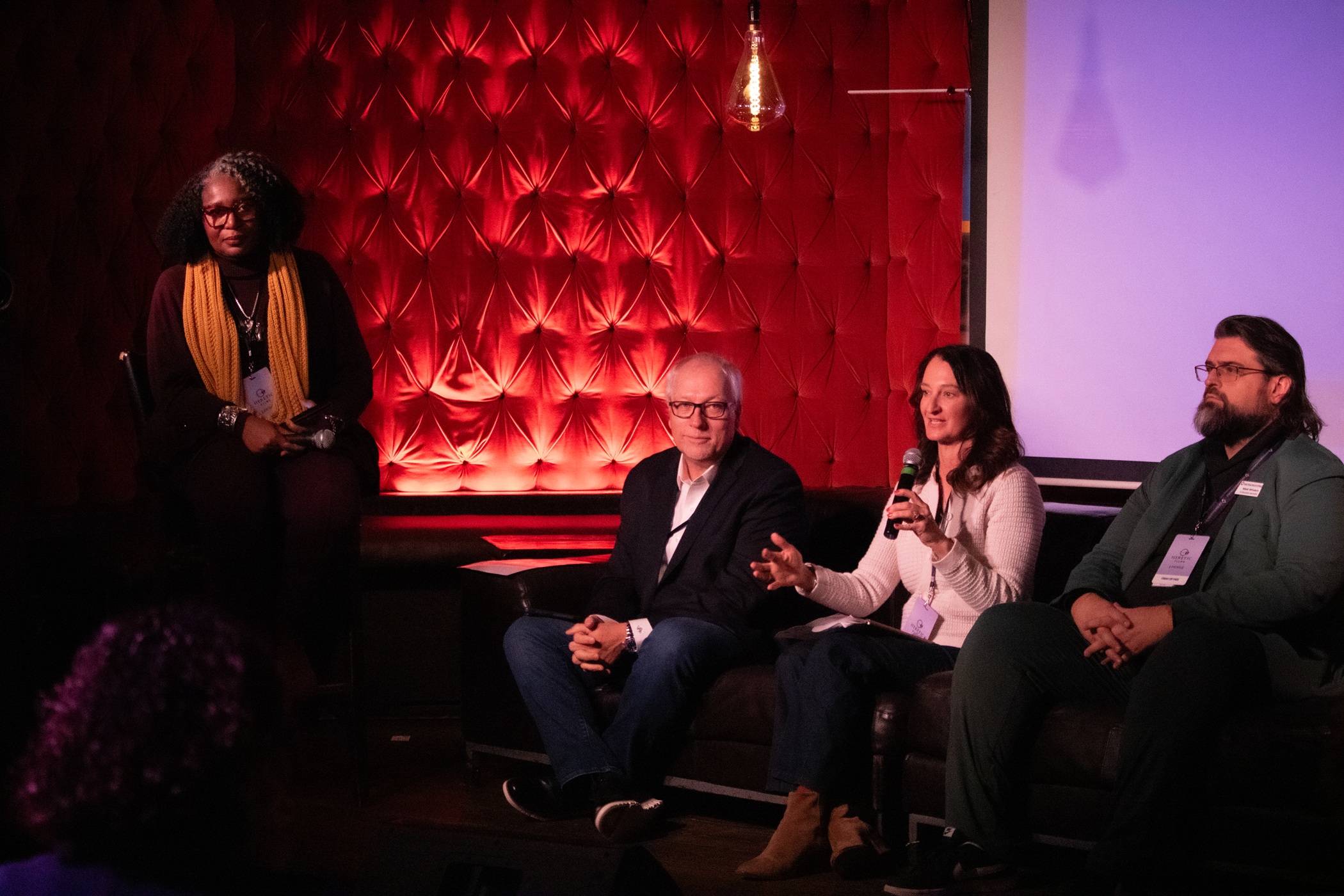
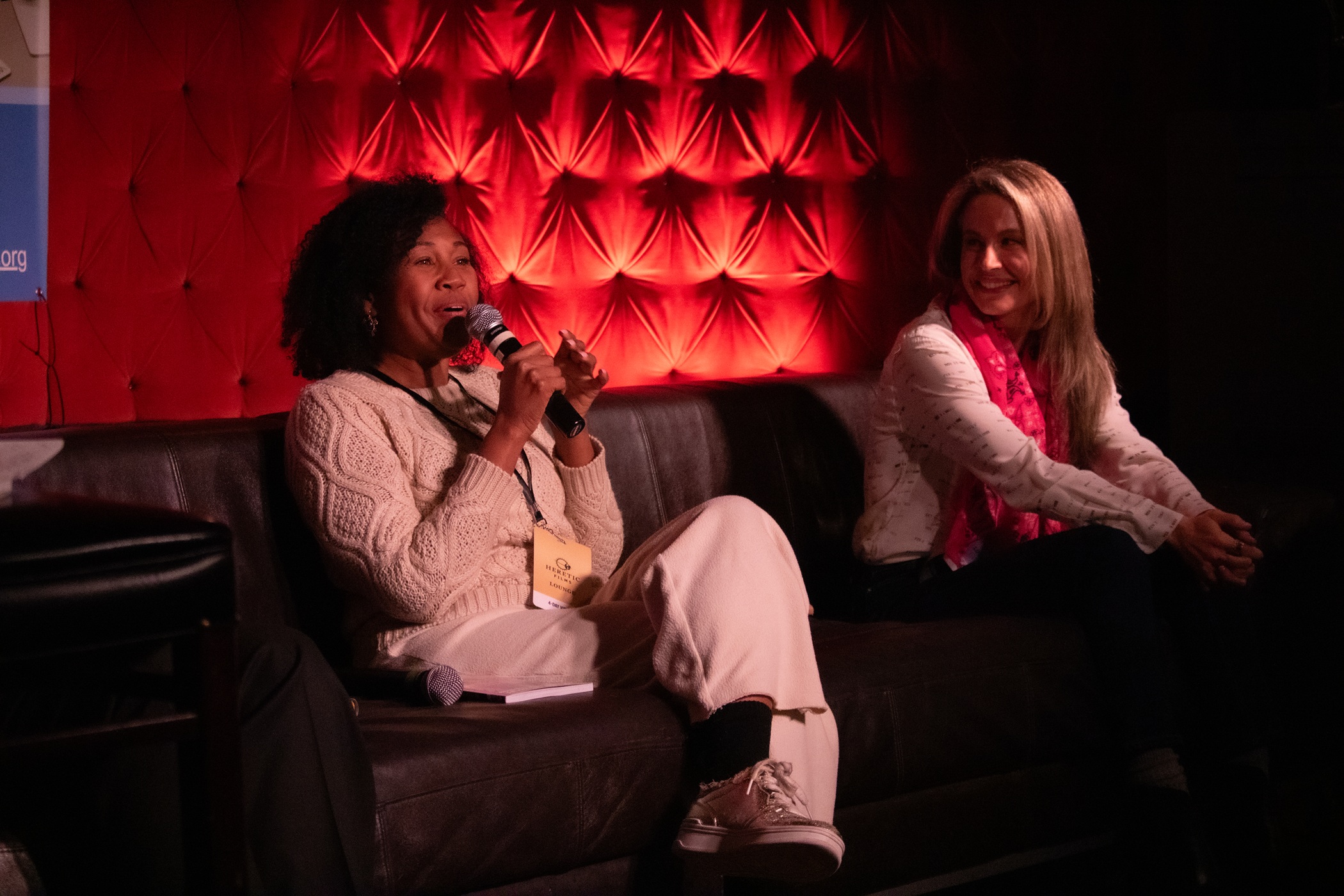
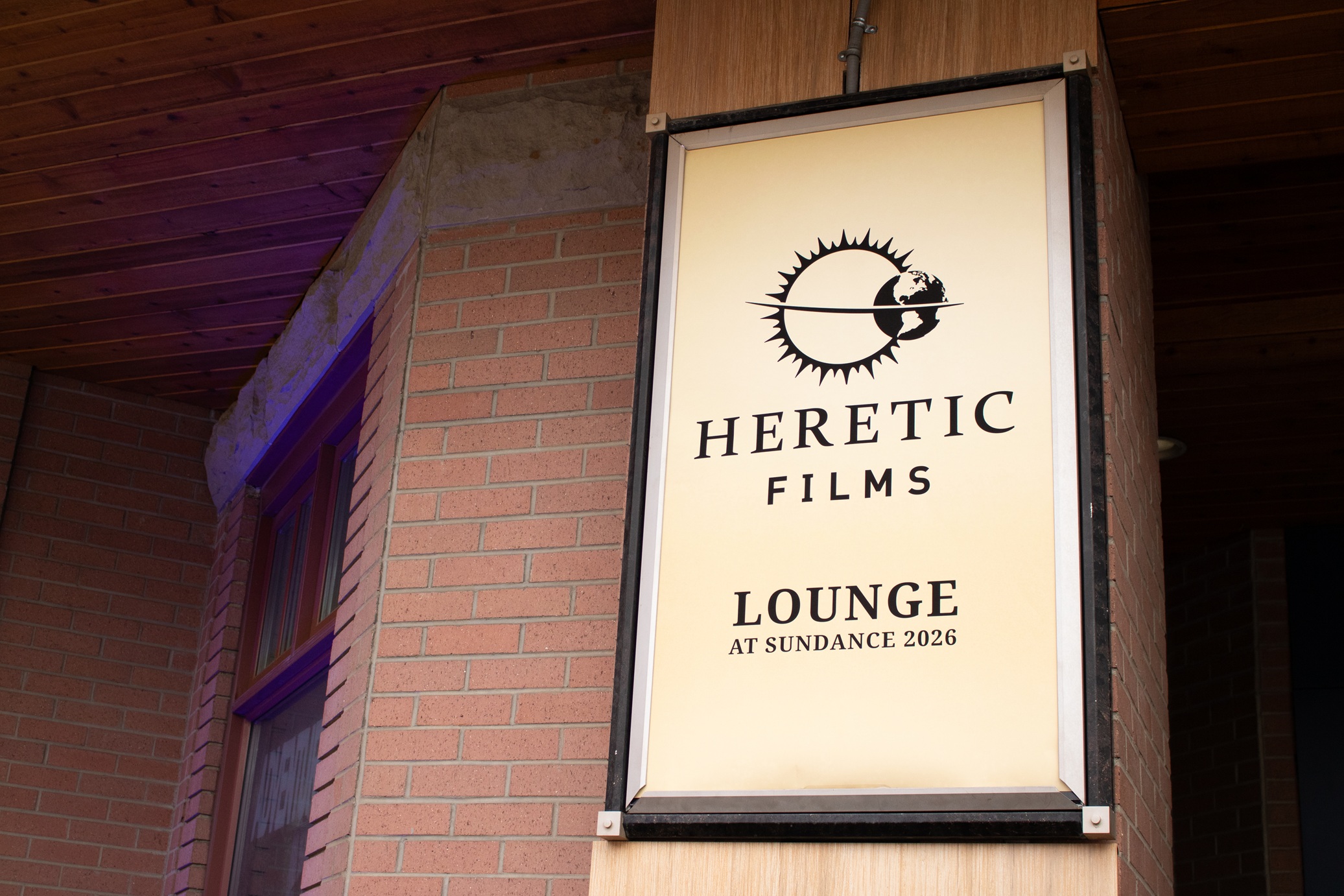
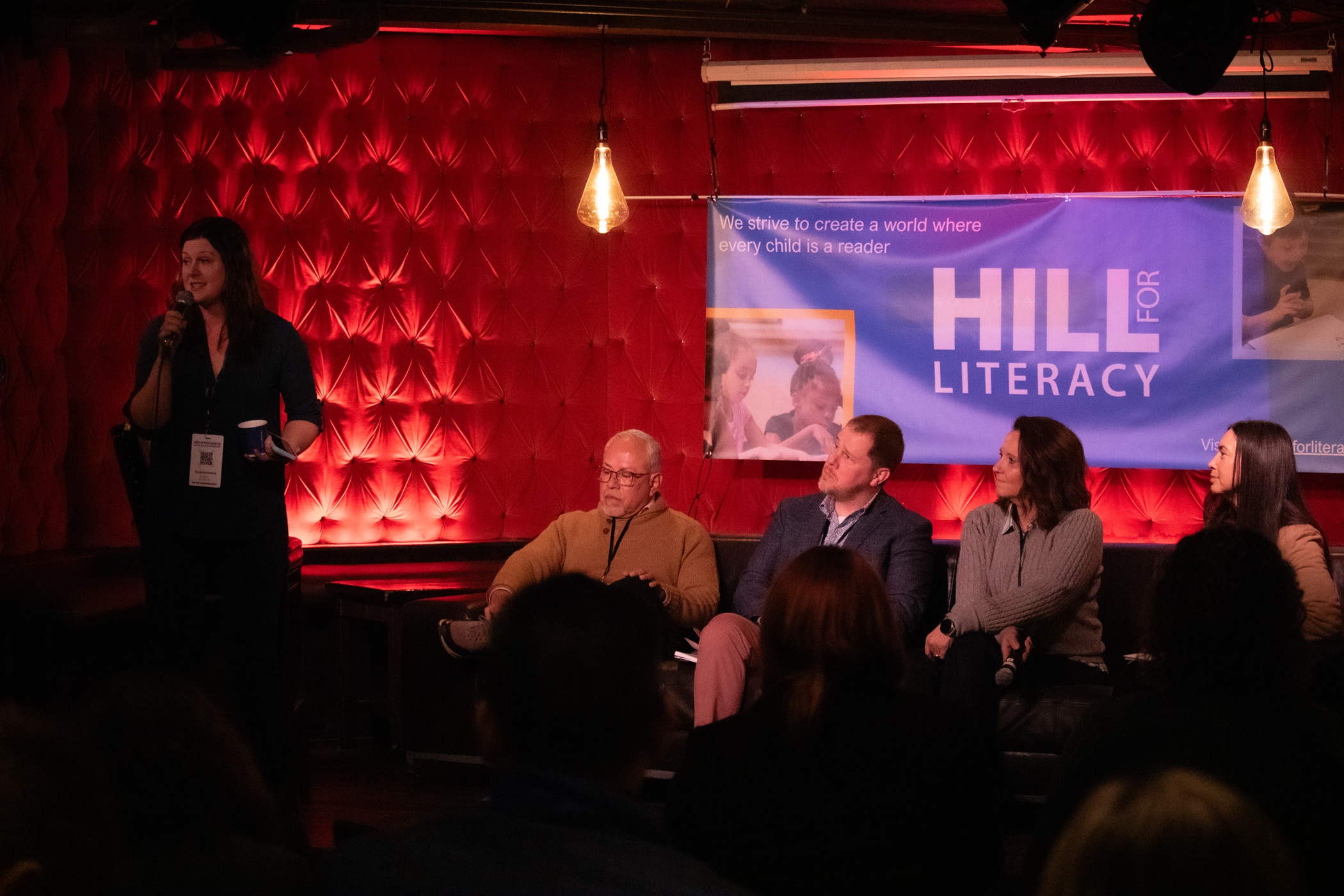
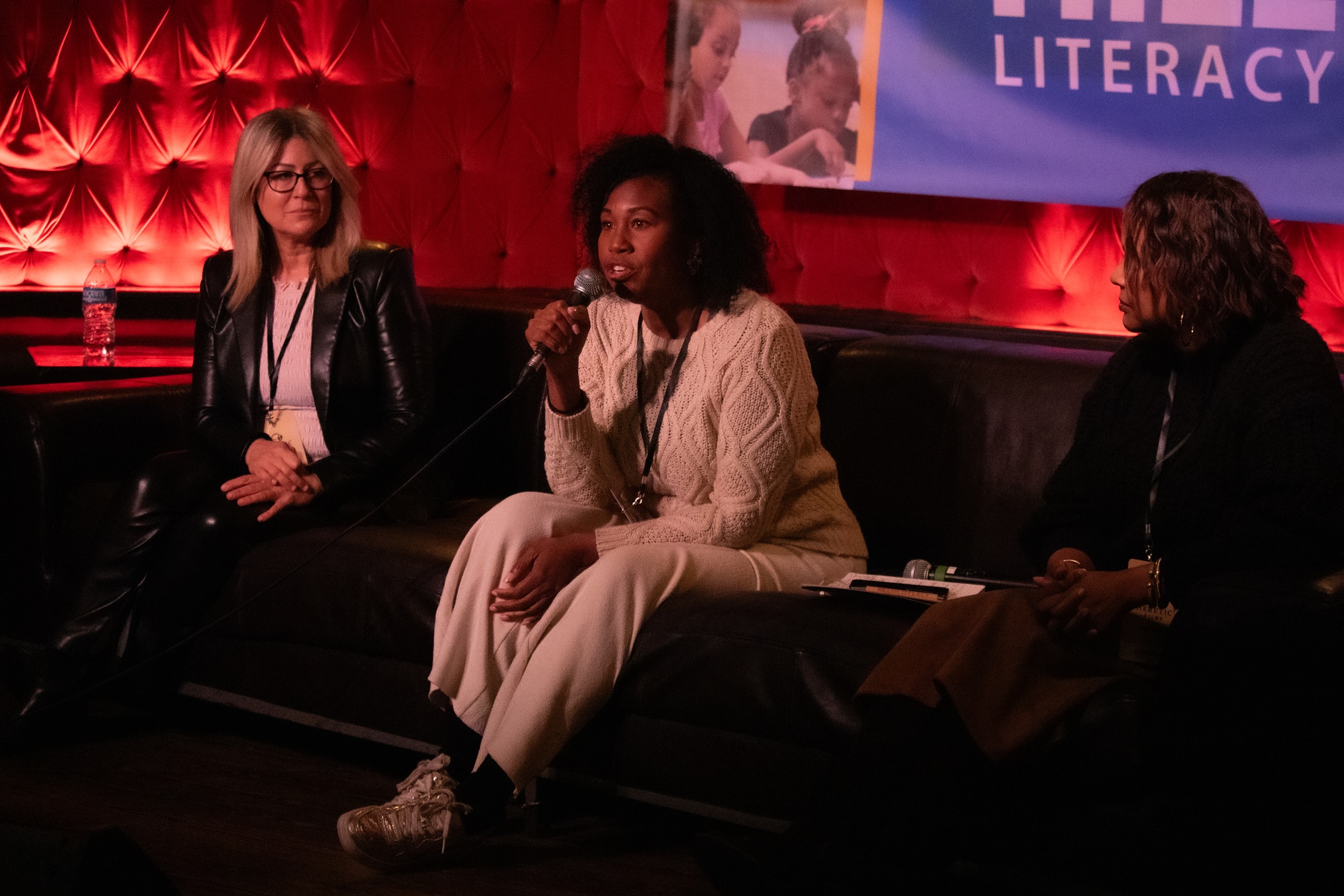
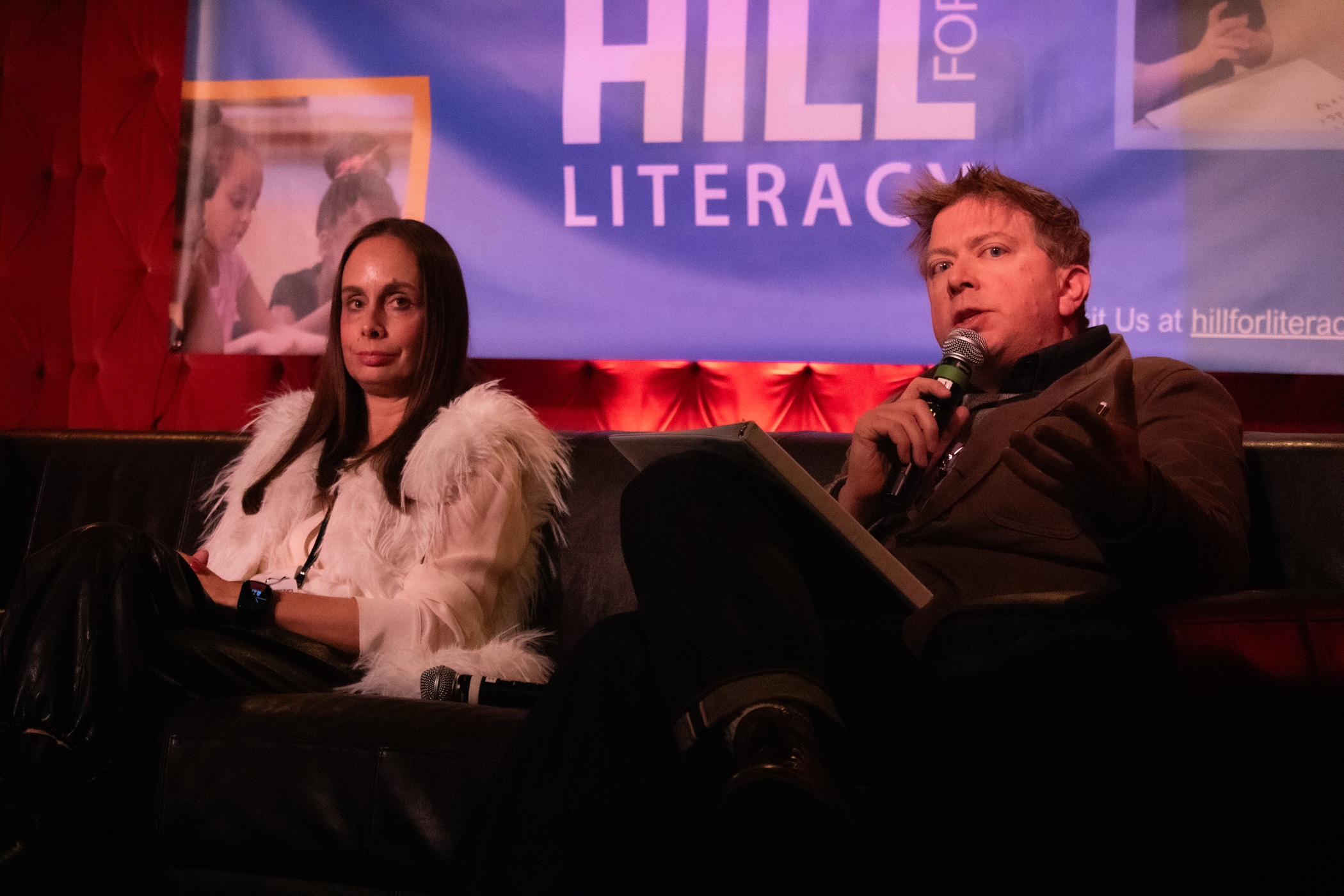
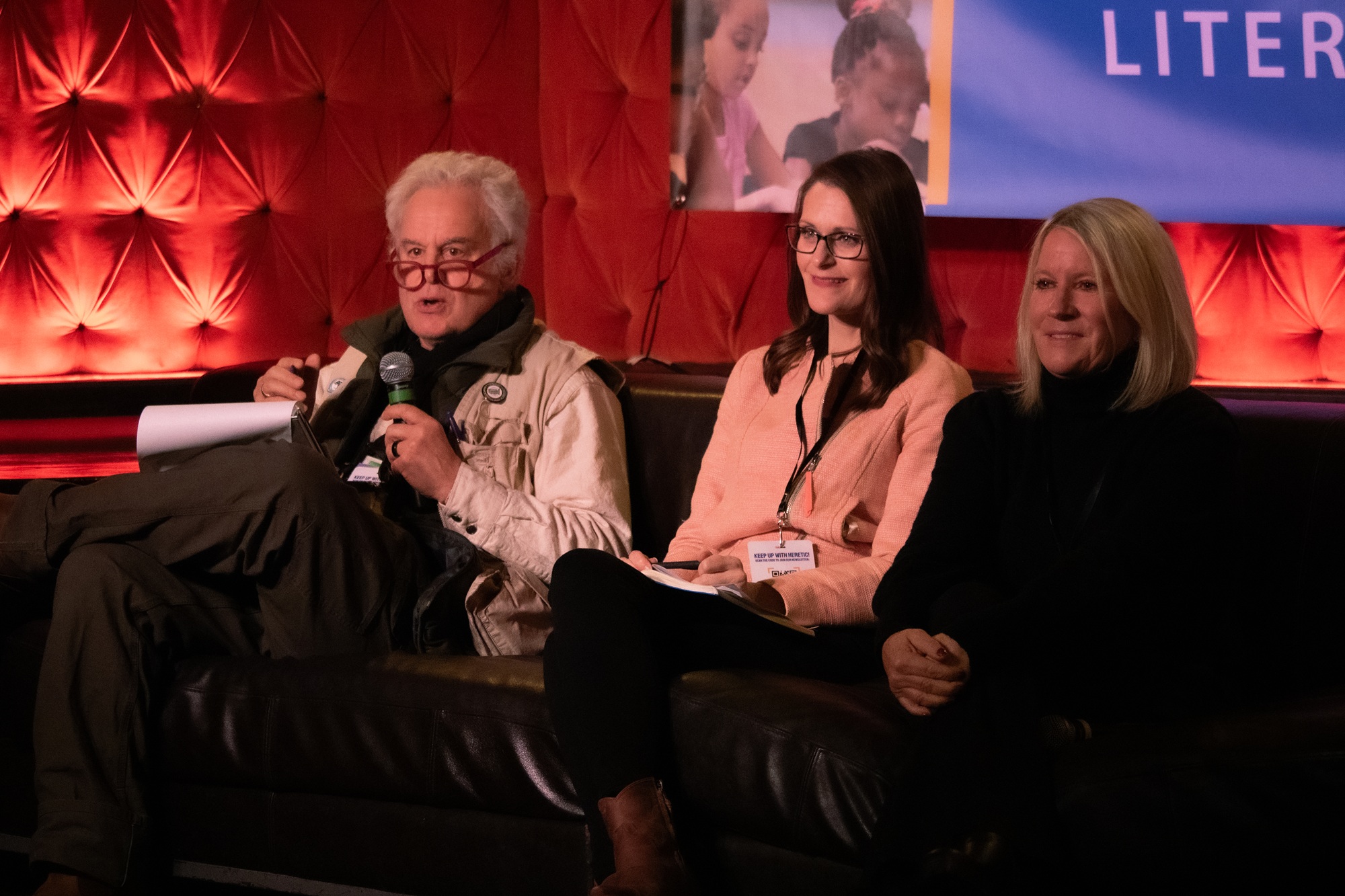
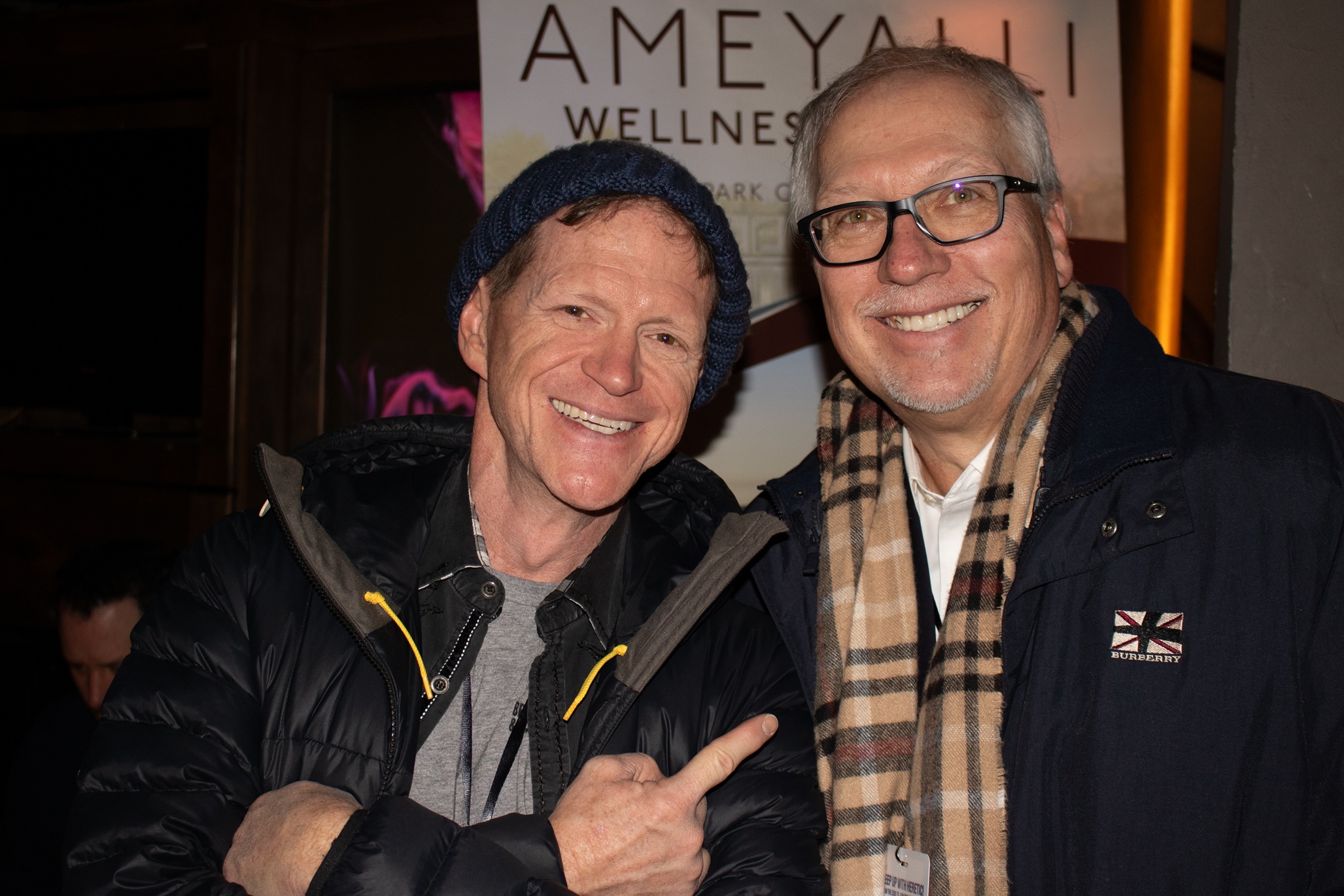
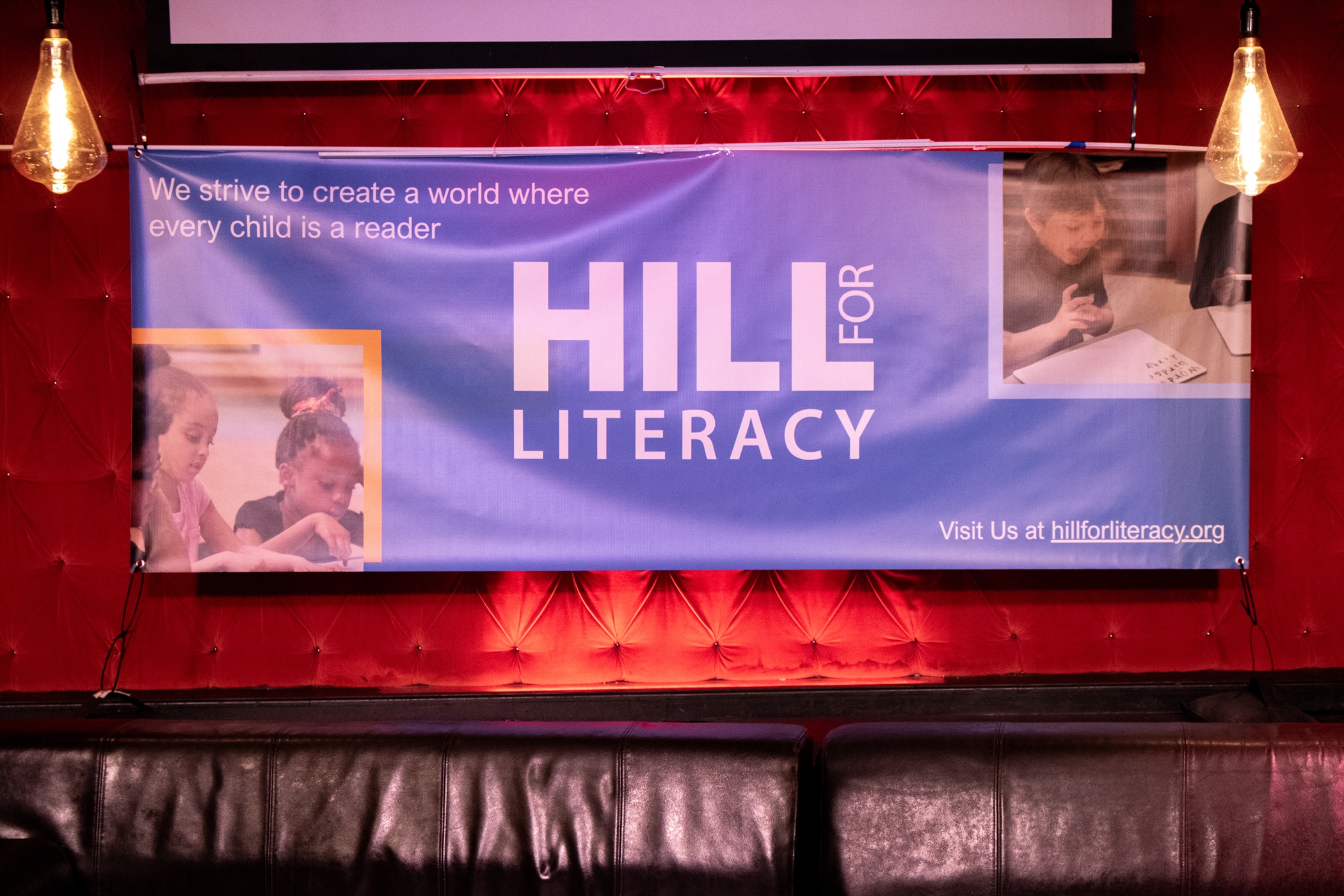
As the Sundance Film Festival came to a close in Park City, Utah, a different kind of gathering took place alongside it. Sponsored by HILL for Literacy and organized by Ben Scherz, the Literacy Summit during Sundance convened leaders from education, health, media, technology, and policy at the Heretic Films Lounge for a first-of-its-kind conversation. Against Sundance’s creative backdrop, the Summit united voices from a cross-section of education sectors around a bold and urgent idea: literacy as a public health imperative.
I’ve been to so many literacy conferences—but never to one like this.
-Summit participant
While HILL for Literacy works directly with schools to implement highly effective MTSS systems, the Summit made clear that solving the literacy crisis will require collaboration far beyond school walls. Rather than treating literacy as a siloed education issue, the Summit reframed reading and language as foundational to lifelong health and economic opportunity. Across four intentionally curated Acts, the agenda wove together research, dyslexia, storytelling, film, artificial intelligence, policy, classroom practice, and leadership—demonstrating how interconnected these fields truly are. As one attendee reflected, “People talk about breaking silos down all the time—today we did it.”
ACT I: The Literacy Effect—How Reading Shapes a Life
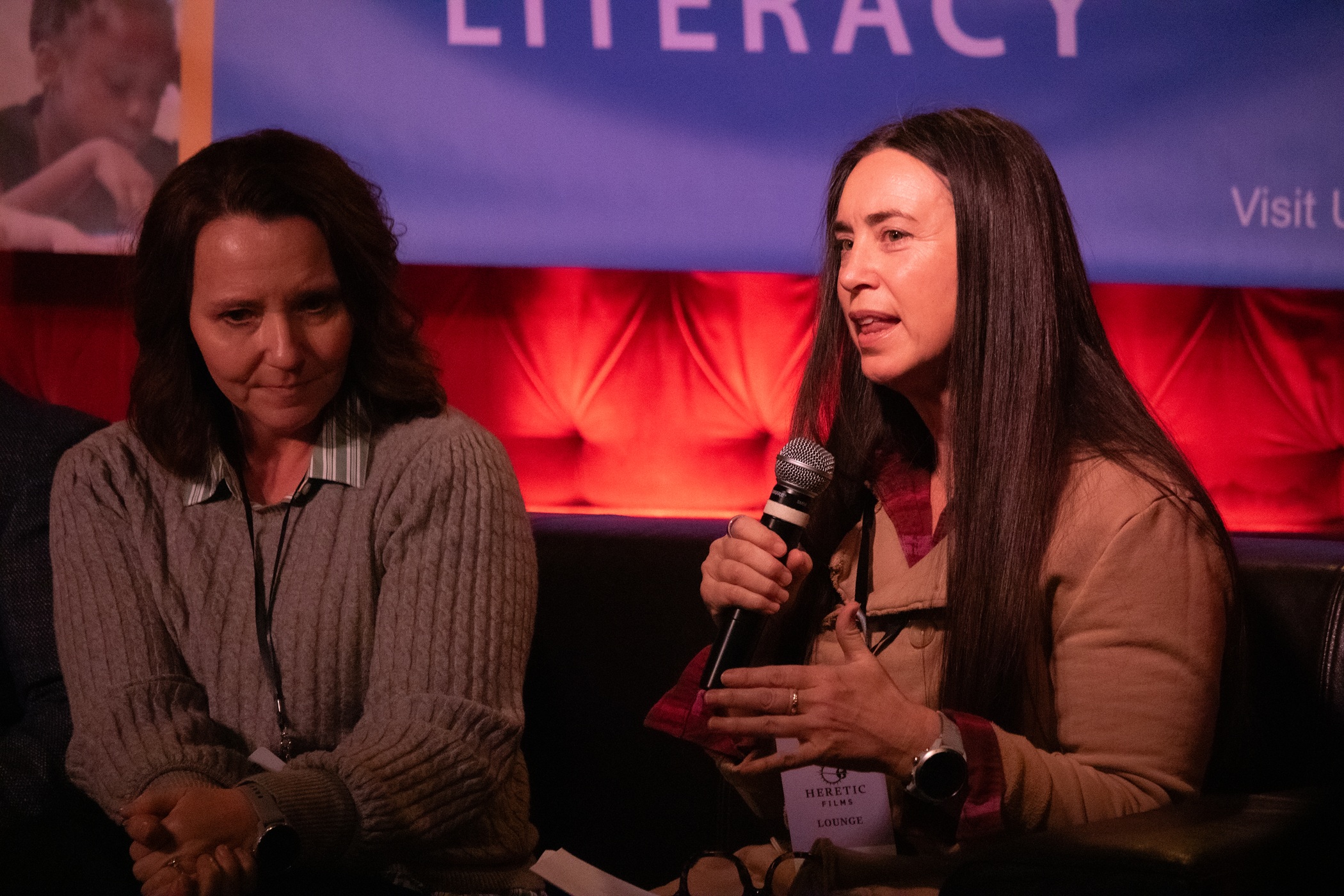
The day opened with welcoming remarks and set the tone for Act I, which focused on how literacy shapes individual life trajectories. Panels explored designing for learning, empowering educators, and better serving students, and a powerful conversation on dyslexia. Participants shared the latest research alongside personal stories highlighting the challenges of growing up with dyslexia. Some important take aways included the need for early identification, strength-based assessment, and community alliances.
ACT II: Words Across a Lifetime—Literacy, Language, and Health
The Summit’s central thesis came fully into focus in Act II, where literacy was positioned as essential to lifelong health. Sessions such as Language Is Medicine connected language development, reading, and cognitive health across the lifespan. A connection between intergenerational health, language, and literacy was presented as a way to promote engagement between family members. By focusing on health and storytelling, communities can support literacy development while also promoting living a healthy lifestyle.
ACT III: Engagement Is Medicine—Story, Film, and Human Connection
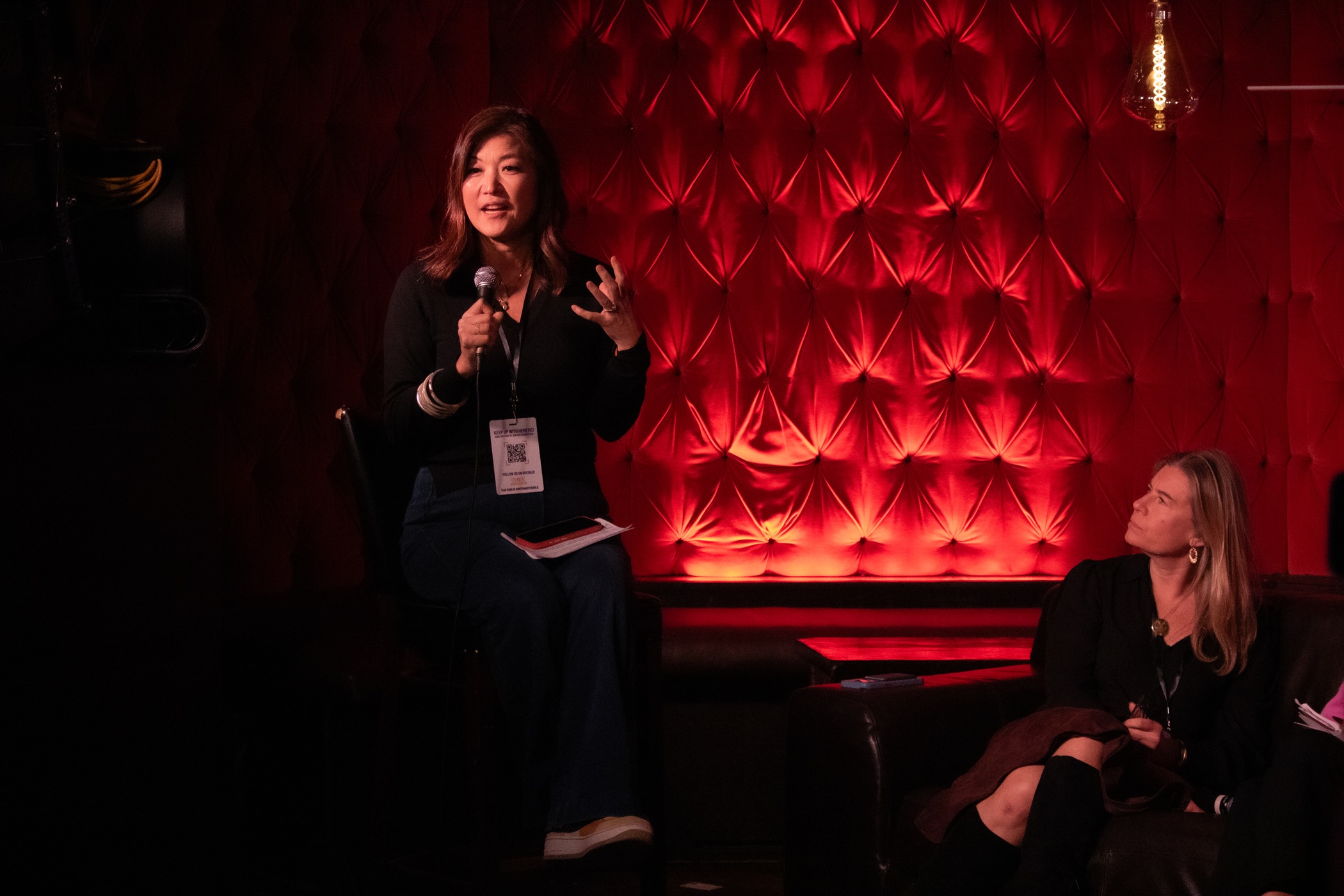
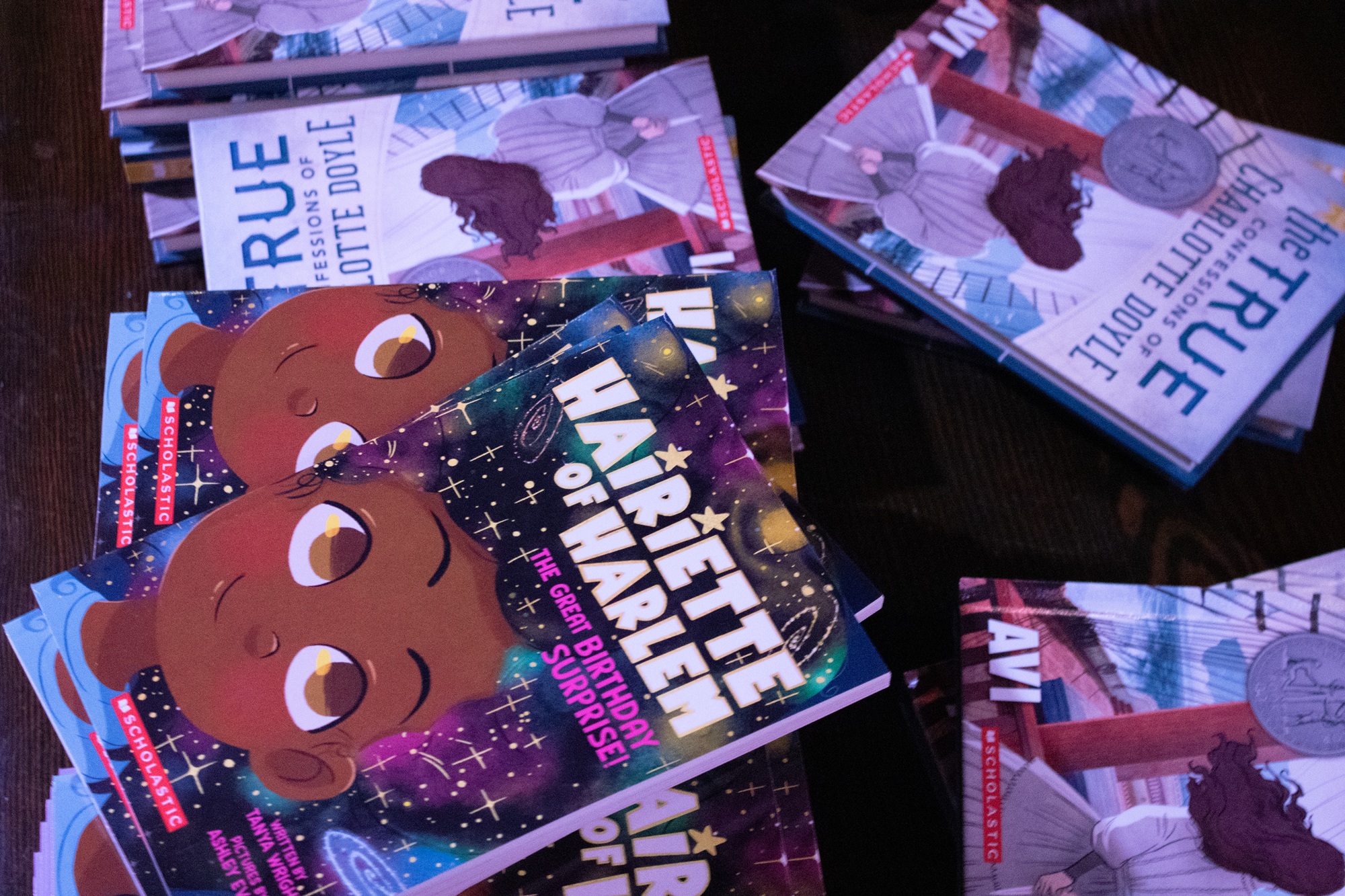
Leaning into the power of storytelling, the Literacy Summit raised the importance of storytelling and how children’s literature and documentary film can catalyze engagement and reform. A panel moderated by Juju Chang highlighted the power of film through projects including Left Behind, Sentenced, The Right to Read, and The Moonshot Series.
ACT IV: The Systems We Build—Literacy, Technology, and the Future of Health
The final Act examined the future of literacy, innovation, and responsibility. Conversations on ethical creativity, artificial intelligence, and learning science emphasized keeping educators at the center while using AI as a supportive tool. Speakers explored how technology, grounded in research and equity, can help ensure every child becomes a confident and engaged learner.
The Sundance Literacy Summit was a call to action. By convening researchers, educators, policymakers, technologists, storytellers, and health advocates, the Summit modeled what meaningful cross-sector collaboration can achieve. As one participant shared, “I’ve been to so many literacy conferences—but never to one like this.” When literacy is recognized as a public health imperative, responsibility—and possibility—belongs to all of us.
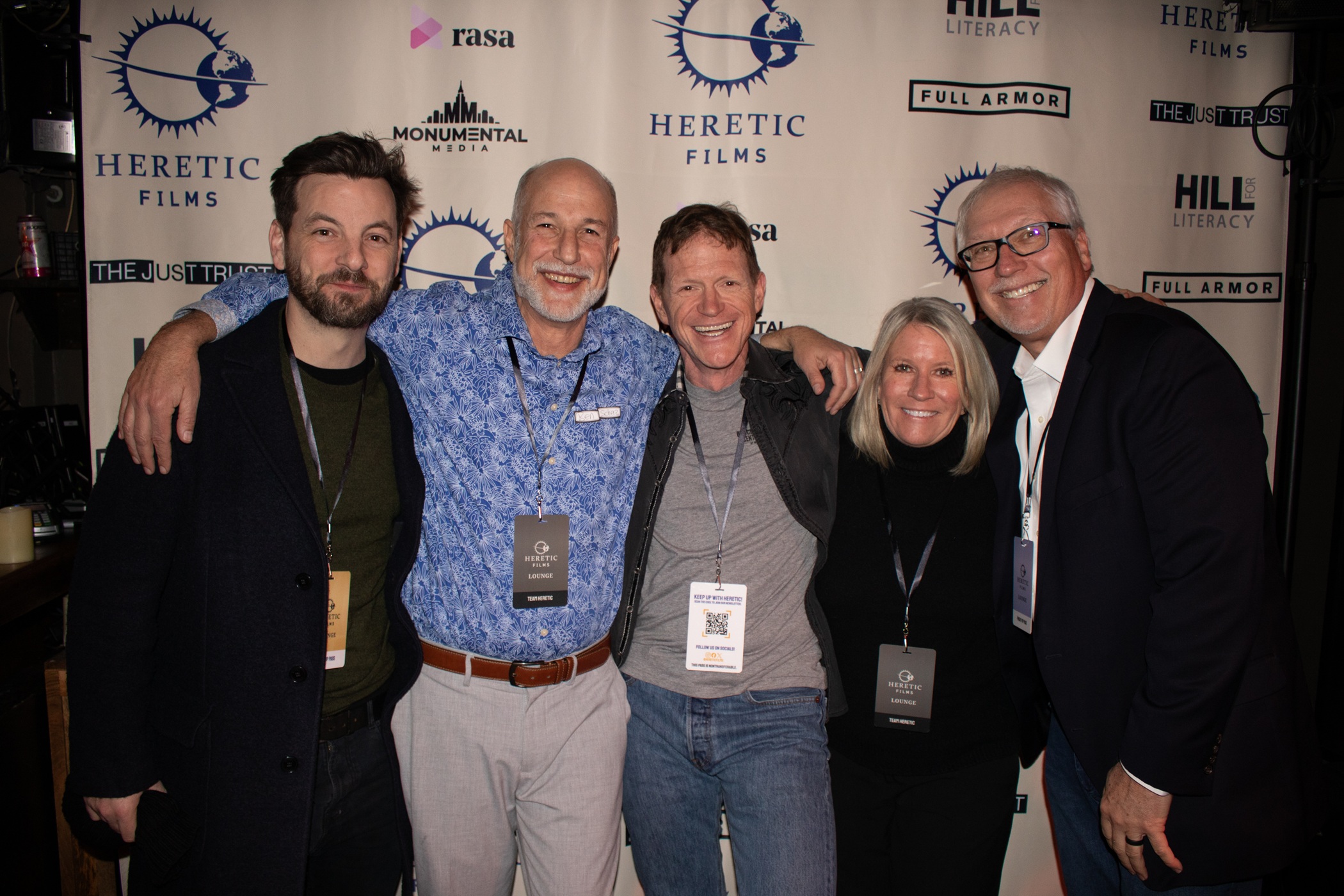
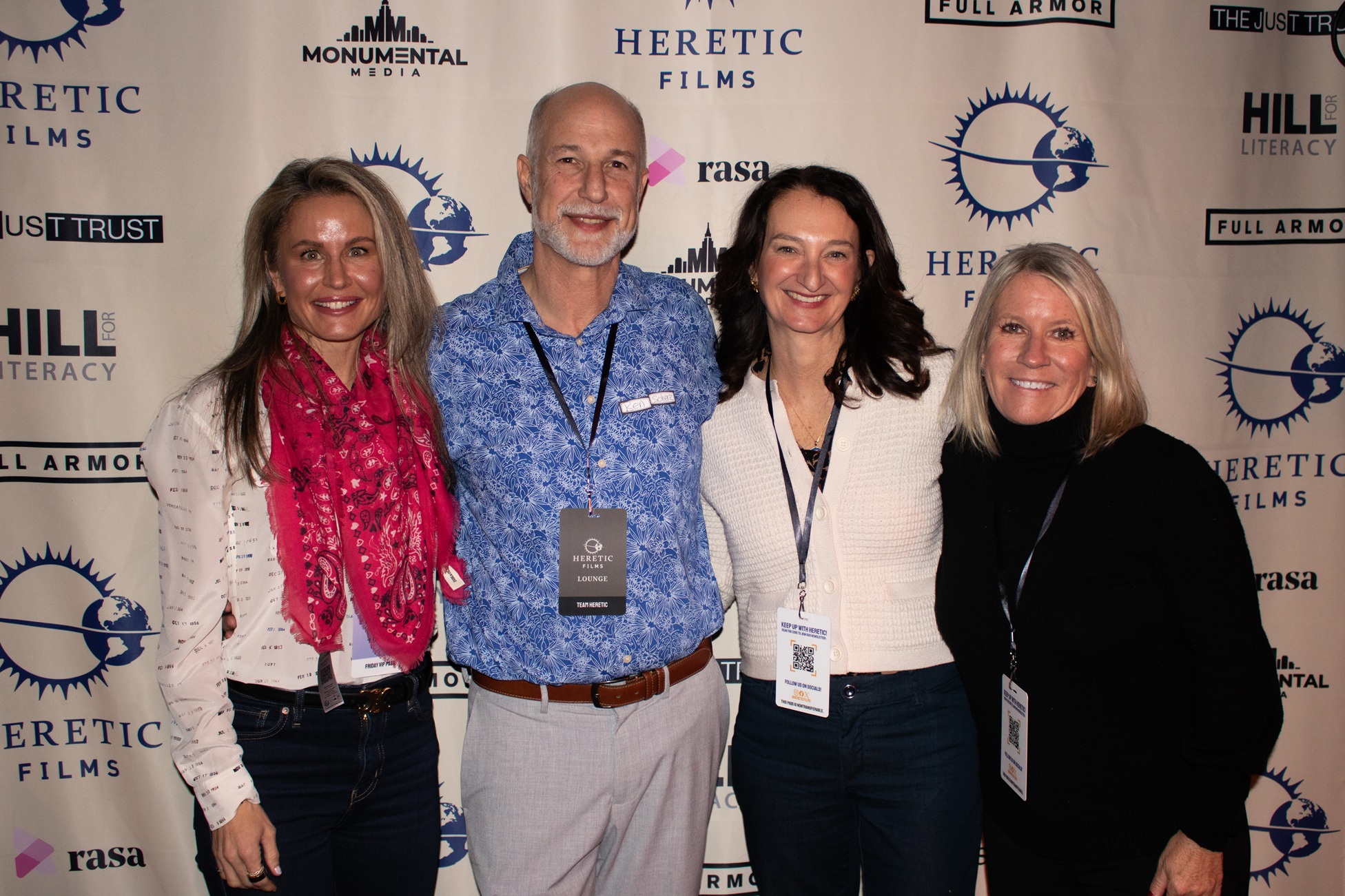
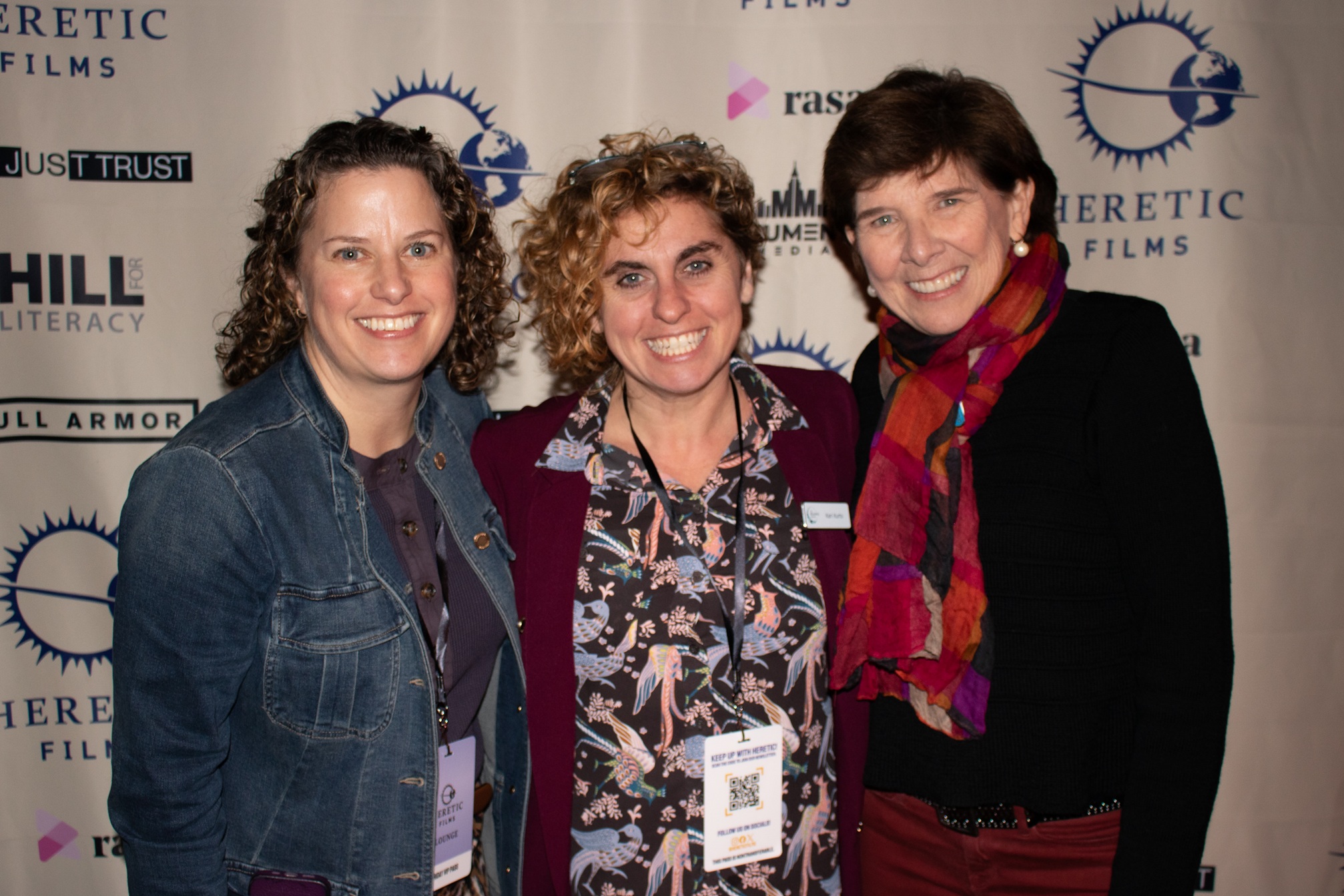
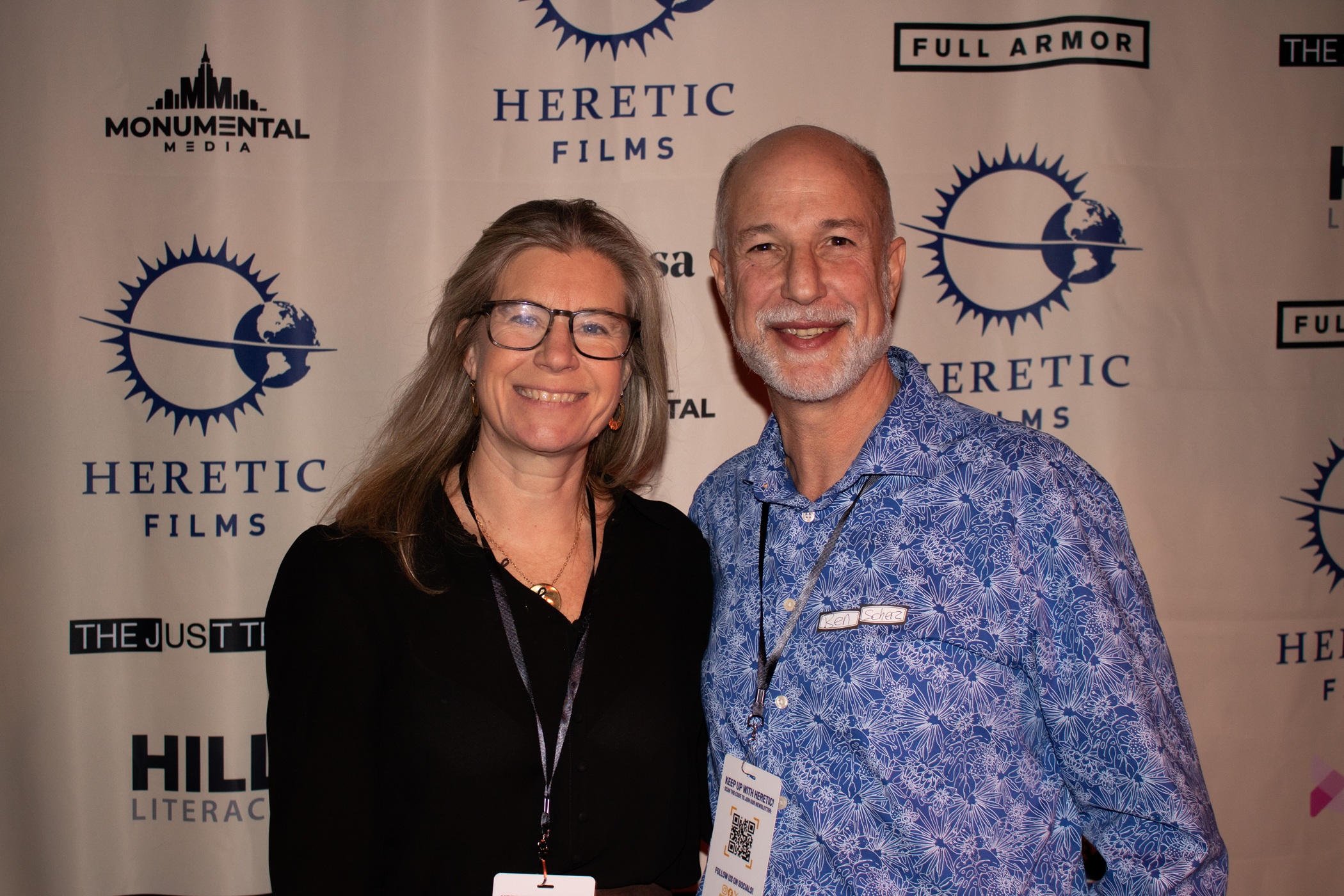
Literacy Summit Photos


0 Comments